An OEM buyer should evaluate a thermal imaging module by checking the application scenario, target object, lens requirement, image output, SDK/API need, mechanical housing, power and interface design, VMS or platform integration, documentation package, and long-term supply plan. For B2B projects, the right module is not only a sensor choice. It is an engineering decision that affects product design, firmware planning, testing, certification preparation, and future batch delivery.
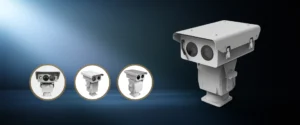
For distributors, security integrators, OEM/ODM buyers, and project contractors, thermal imaging modules are often discussed when a standard finished camera does not fully match the project. The buyer may need to build a private-label thermal PTZ camera, integrate a thermal core into a pan-tilt payload, develop an EO/IR surveillance device, or add thermal imaging to an industrial monitoring platform.
The difficulty is that many RFQs start with a short request such as “send thermal module price” or “we need thermal camera SDK.” That is usually not enough. The supplier still needs to understand the target application, lens angle, video output, command interface, housing limitation, firmware workflow, and integration platform before recommending a realistic configuration.
This guide explains how OEM buyers can prepare a more useful technical discussion before sourcing an OEM thermal module for professional surveillance or industrial monitoring projects.
Start With the Product You Are Building
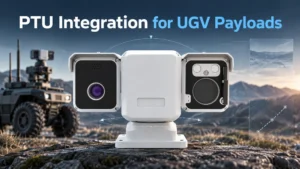
Before discussing sensors, SDK, or price, define the final product. A module used inside a compact mobile PTZ camera may require a different design approach from a module used in a long-range EO/IR PTZ platform, fixed thermal monitoring unit, industrial inspection device, or perimeter alarm verification system.
Useful questions include:
- Will the module be used in a fixed camera, PTZ camera, handheld device, robotic platform, vehicle-mounted system, or multi-sensor payload?
- Is the main task detection, monitoring, alarm verification, thermal observation, or operator confirmation?
- Will the module work alone or together with a visible camera?
- Will the buyer design the housing, or does the supplier need to support mechanical structure discussion?
- Is this a sample project, private-label product, or long-term OEM/ODM program?
This first step prevents a common sourcing mistake: selecting a module based on one specification while ignoring the product structure and user workflow.
Clarify Thermal Lens and Field-of-View Requirements
Lens selection is one of the most important decisions in thermal imaging integration. A wide field of view may be suitable for close-range area awareness, while a narrower field of view may be preferred when the system needs to observe a more distant or focused zone.
OEM buyers should explain:
- Target type and approximate target size
- Expected observation zone
- Working distance range to be evaluated
- Whether the product needs wide-area coverage or narrow long-range observation
- Whether the thermal channel will be used together with visible zoom
- Mechanical space available for the lens and module assembly
Do not ask only for the “longest range” module. Thermal performance depends on sensor configuration, lens, target size, environment, image processing, mounting, and the buyer’s definition of detection or verification. Any specific detection distance should be confirmed through project evaluation and product datasheets.
Define Image Output and Video Workflow
For an OEM product, video output is not just a display question. It affects firmware, platform integration, recording, bandwidth, operator interface, and after-sales support.
The buyer should clarify whether the product requires:
- Analog video output
- Digital video output
- Network video stream
- Thermal image data for software processing
- Dual-channel output with a visible camera
- VMS, NVR, or command-center display
If the module will be part of a thermal PTZ camera, the system may also need channel switching, PTZ preset behavior, thermal palette settings, and alarm-to-video workflow. These requirements should be discussed before sample testing, not after the housing has already been designed.
Recommended Video Placement
Check SDK, API, and Firmware Control Needs
Many OEM buyers ask for a thermal camera SDK or thermal imaging API, but the real requirement can vary. Some buyers only need basic video access. Others need deeper control over image settings, commands, alarms, metadata, or private platform integration.
Include these questions in the RFQ:
- What functions must be controlled by software?
- Does the project need access to thermal image data or only video output?
- Does the buyer need command documentation for private platform integration?
- Will the module connect to VMS, embedded software, mobile software, or a command platform?
- Does the project require firmware customization or only standard configuration?
- Will the buyer need sample code, integration notes, or engineering support?
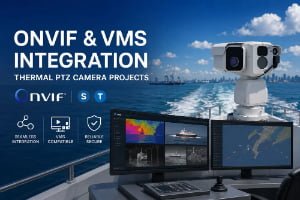
For IP-based video systems, ONVIF profiles are commonly used to identify compatibility between conformant devices and clients. ONVIF notes that profiles define feature sets for device-client compatibility, and buyers should still confirm the exact profile and functions required by their VMS or platform. External reference: ONVIF Profiles.
Plan Mechanical Housing Before Sample Approval
Mechanical design is often underestimated in thermal module projects. A module may work during desk testing, but fail to fit the final enclosure, bracket, cable routing, or pan-tilt payload layout.
Before approving a sample, discuss:
- Module dimensions and mounting holes
- Lens position and window design
- Thermal window material and optical path
- Heat dissipation and internal airflow
- Cable direction and connector access
- Shock, vibration, or movement conditions
- Space for visible camera, laser rangefinder, or other payloads if required
For an EO/IR PTZ camera, mechanical alignment between the thermal channel and visible channel should be considered early. If the visible camera, thermal module, and PTZ centerline are not planned together, later calibration and operator use may become more difficult.
Confirm Power, Interface, and Platform Constraints
Power and interface design should be discussed with the buyer’s engineering team before sample order. This is especially important for compact PTZ platforms, mobile surveillance devices, robotic payloads, and outdoor industrial systems.
Ask the supplier to clarify:
- Power input options required by the final product
- Connector type and cable design
- Supported control interface for the intended platform
- Video output method required by the system
- Startup behavior and boot time requirement
- Firmware update method
- Electrical protection requirements for outdoor or mobile deployment
A practical engineering review should consider the complete system, not only the module. Battery-powered devices, vehicle platforms, tower-mounted cameras, and industrial enclosures may all create different power and interface constraints.
Ask for Documentation Before Development Starts
For OEM/ODM work, documentation quality is a procurement signal. A supplier that can provide clear technical documents reduces engineering uncertainty for the buyer’s internal team.
Useful documents may include:
- Thermal module datasheet
- Mechanical drawing
- Interface description
- Lens option information
- SDK or API documentation if required
- Integration guide
- Firmware update instructions
- Test procedure or inspection summary
- Packing and labeling requirements for OEM programs
Buyers should also ask which documents can be shared before sample order and which require a technical NDA. For private-label products, documentation may also need neutral branding, local language support, or project-specific drawings.
Define Testing Criteria for Samples and Pilot Orders
A sample should not be approved only because it powers on and displays an image. OEM buyers need a test plan that matches the final product and customer use case.
Sample test items
- Thermal image stability during extended operation
- Lens field of view and target observation suitability
- Video output compatibility with the buyer’s platform
- SDK/API command behavior if required
- Mechanical fit inside the housing or PTZ payload
- Power behavior and heat management
- Firmware configuration and repeatability
The NIST video surveillance equipment selection guide emphasizes starting with user requirements and functional needs before selecting equipment. This principle is also useful for OEM thermal module procurement, where module selection should follow the final product’s operating requirements rather than a single headline specification. External reference: NIST Video Surveillance Equipment Selection and Application Guide.
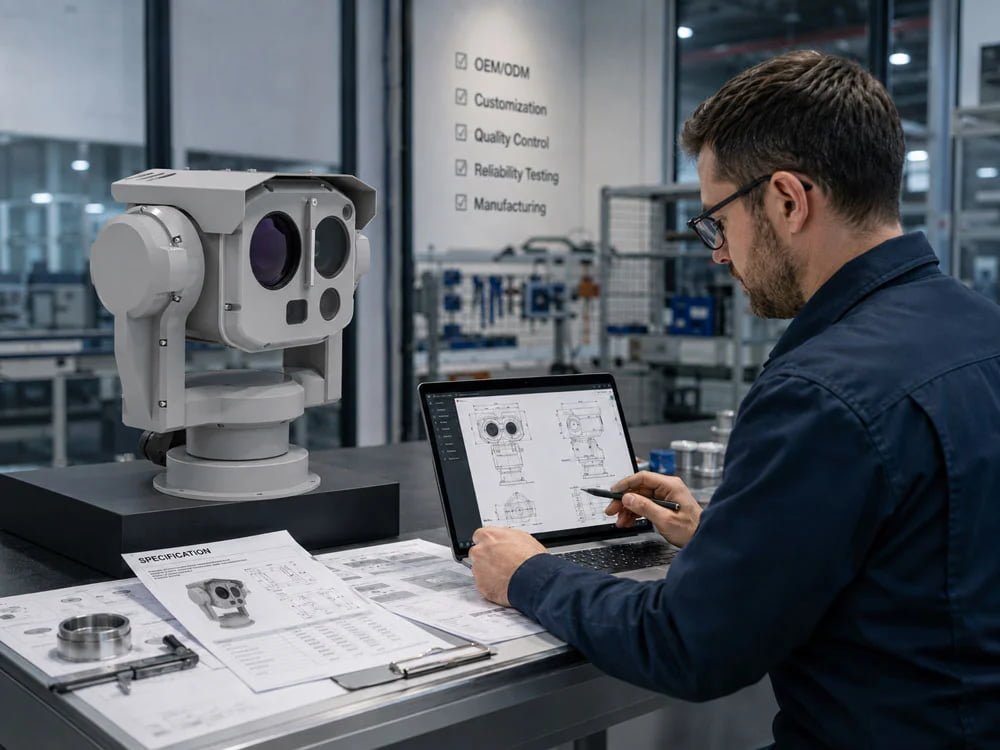
Build a Better RFQ for Thermal Imaging Module Projects
A useful RFQ should help the supplier understand the product, not only the desired price.
Product and Application
- Final product type
- Target application
- Target object or observation task
- Indoor, outdoor, mobile, or fixed installation
- Estimated quantity and project stage
Imaging and Lens Requirements
- Thermal resolution requirement
- Lens or field-of-view preference
- Observation zone and target size
- Need for visible camera integration
- Need for image enhancement or thermal palette control
Software and Interface Requirements
- Video output method
- Control interface
- SDK/API requirement
- VMS or platform integration requirement
- Firmware customization requirement
Mechanical and Commercial Requirements
- Housing limitation
- Mounting structure
- Connector and cable direction
- Sample schedule
- MOQ and batch plan
- Private-label or packaging requirement
Where JEC Fits
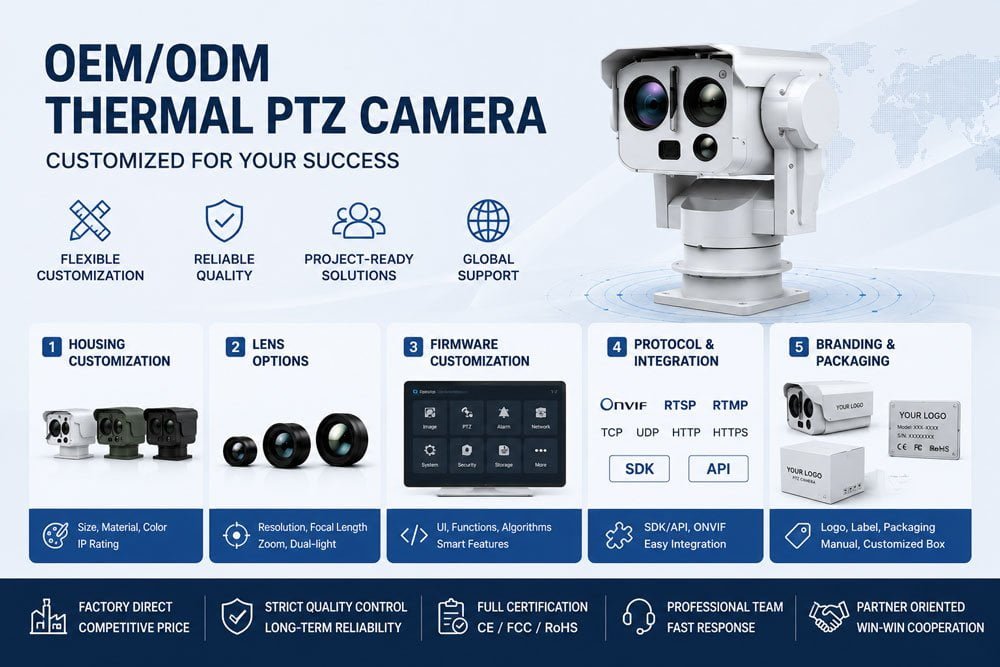
JEC’s thermal imaging and PTZ camera solution page includes thermal PTZ cameras, EO/IR long-range surveillance systems, and OEM/ODM thermal imaging module directions for B2B procurement. For OEM buyers, the best next step is to share the final product concept, target application, required imaging workflow, housing constraints, platform integration needs, quantity plan, and documentation requirements.
JEC can review the project information and discuss a suitable thermal module, thermal PTZ, or EO/IR PTZ configuration for technical evaluation and quotation. Specific module options, SDK/API availability, interface details, MOQ, lead time, and compliance documents should be confirmed during the project review.
Recommended JEC Internal Links for Buyers
For project evaluation, buyers can review JEC’s thermal imaging and PTZ camera solutions, the high-speed thermal PTZ camera page, the ONVIF and VMS integration checklist, the thermal PTZ camera manufacturer evaluation guide, and the contact page for OEM/ODM project discussion.
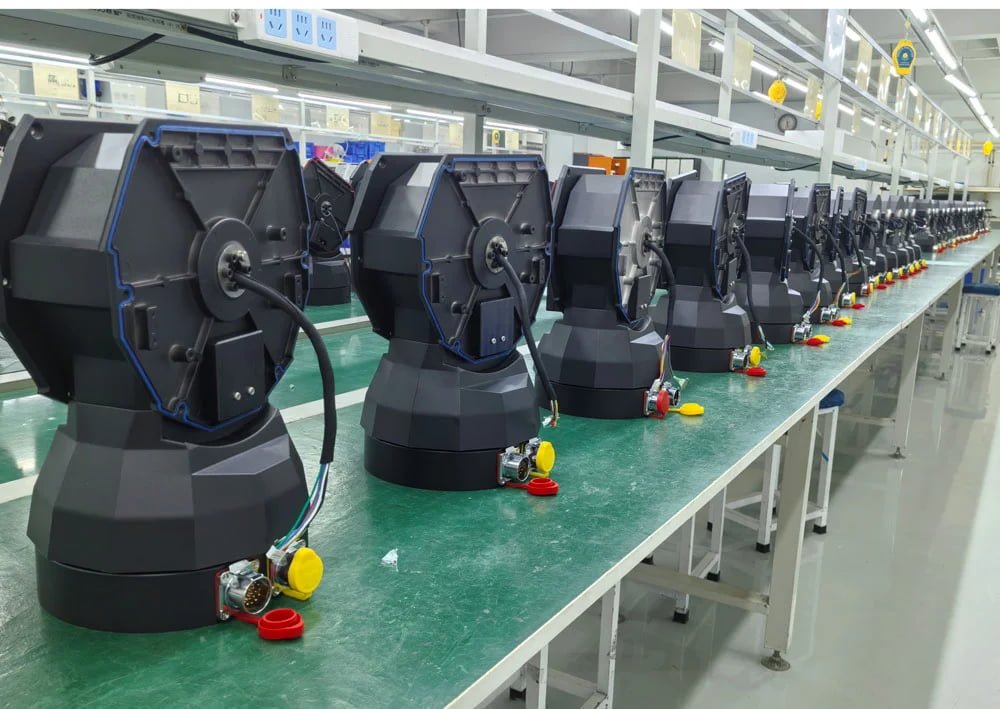
FAQ
What should OEM buyers check before selecting a thermal imaging module?
OEM buyers should check the final product application, target object, lens requirement, image output, SDK/API need, interface design, mechanical housing, heat management, documentation package, sample testing plan, and long-term supply requirements.
Is a thermal imaging module the same as a thermal PTZ camera?
No. A thermal imaging module is usually a component that may be integrated into a finished product. A thermal PTZ camera is a complete camera system with thermal imaging, pan-tilt movement, housing, control, and often network video or system integration features.
When does an OEM buyer need a thermal camera SDK or API?
An SDK or API may be needed when the buyer wants private platform integration, custom commands, image data access, firmware workflow control, or integration with a VMS, embedded system, or command software. Exact availability should be confirmed by project and product configuration.
How should buyers choose a thermal lens?
Lens choice should be based on target type, observation zone, working distance, field of view, housing space, and whether the thermal channel works alone or with visible zoom. Buyers should request project-based lens recommendation instead of choosing only by catalog range.
Can a thermal module be integrated into an EO/IR PTZ camera?
It can be considered when the project requires both thermal imaging and visible confirmation in a PTZ platform. The buyer should discuss mechanical alignment, video workflow, channel switching, interface control, and payload layout before sample approval.
What documents should be requested for OEM thermal module integration?
Request the datasheet, mechanical drawing, interface description, lens option information, integration notes, SDK/API documents if required, firmware update instructions, test guidance, and packaging or labeling requirements for OEM programs.