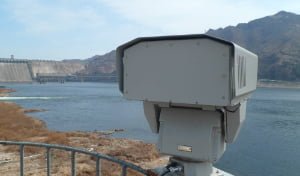
Why Industrial PTZ Cameras Matter in 24/7 Surveillance
Industrial sites do not behave like office buildings or retail stores. A refinery, port, utility substation, mining area, logistics yard, or perimeter fence line can stretch across large distances, operate through the night, and expose cameras to dust, vibration, salt, wind, rain, glare, and temperature extremes. That is why industrial users often turn to Pan-Tilt-Zoom Cameras instead of relying only on fixed viewpoints. A properly specified PTZ camera can cover a larger area, investigate alarms in real time, and zoom in for assessment without sending a guard into the field. Current industry guides from Avigilon, Rhombus, Senstar, and Pelco all frame PTZ cameras as a strong fit for wide, dynamic, and high-risk spaces where operators need both overview and detail.
That said, the best industrial security designs do not treat PTZ cameras as a universal replacement for fixed cameras. PTZ cameras are excellent for live response and long-range assessment, but they only look in one direction at a time. Fixed cameras remain better for constant coverage of chokepoints, entrances, and evidence zones. In practice, the strongest 24/7 systems use PTZ cameras for active monitoring and fixed cameras for uninterrupted recording.
The five capabilities below are the ones that matter most when selecting PTZ Cameras for industrial surveillance.
Feature 1: Full-Area Coverage with Precision Pan, Tilt, and Presets
The first essential feature is not simply “movement.” It is controlled, repeatable movement. Industrial PTZ cameras are valuable because they can pan across broad horizontal zones, tilt to cover elevation changes, and move quickly to preset positions when an operator or analytic rule calls for action. Avigilon defines PTZ cameras around these mechanically driven pan, tilt, and zoom functions, while Rhombus emphasizes their value in large open areas such as parking lots, perimeters, and yards where events can unfold at distance.
For 24/7 surveillance, movement must also be precise. It is not enough for a camera to “turn.” It must return reliably to a gate, fence corner, loading bay, or alarm point without drift. That is why buyers should pay attention to preset accuracy, patrol logic, and the ability to shift quickly from one zone to another. Senstar and Axis both highlight preset-based surveillance and automatic movement between positions as core PTZ strengths, especially in perimeter and critical infrastructure use cases.
This matters because industrial security is rarely static. A single operator may need to check a fence alarm, confirm truck activity at a loading area, then reposition the camera to inspect a remote asset. In those moments, fast and predictable pan-tilt performance is not a convenience. It is part of the response workflow.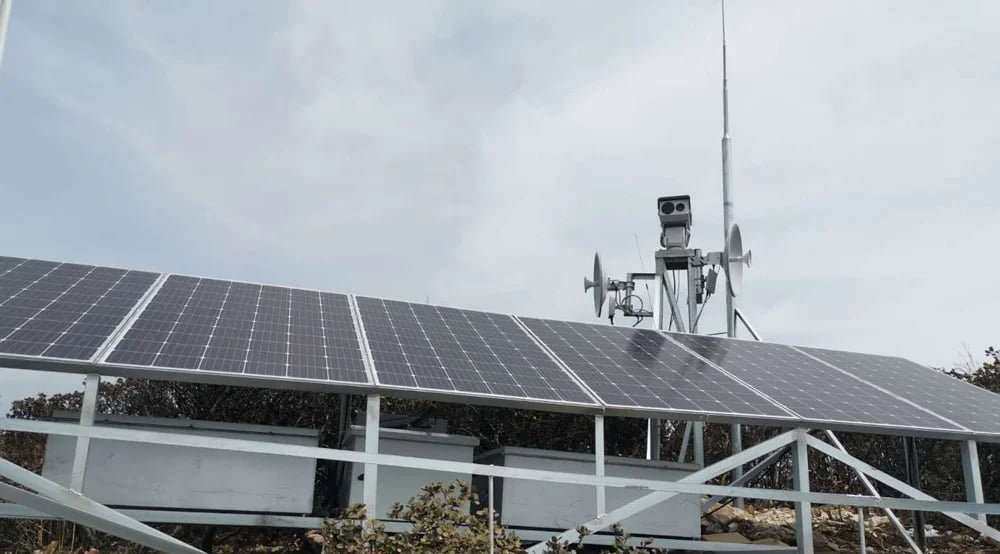
Feature 2: Long-Range Optical Zoom and Evidence-Grade Image Quality
The second key feature is true optical reach backed by usable image quality. A PTZ camera is often installed precisely because the subject of interest may be hundreds of feet away. If the camera can move but cannot produce identifiable detail after zooming in, it is only solving half the problem. Axis describes PTZ cameras as a way to combine wide-area coverage with detail from a single device, and its Q60 series specifically pairs high-speed PTZ performance with up to 40x optical zoom for large-area surveillance.
Industrial buyers should also evaluate what happens in poor lighting or mixed-contrast scenes. Outdoor yards, substations, terminals, and process areas are full of glare, shadows, headlights, and weather effects. Axis highlights low-light performance, wide dynamic range, and focus tools as practical differentiators, not just spec-sheet extras. Those features help operators hold detail when zooming into vehicles, equipment, or intrusions at night or in high-contrast conditions.
A practical rule is simple: zoom alone is not the feature. Usable zoom is the feature. For 24/7 industrial surveillance, that means optical zoom, stable focus, good low-light handling, and enough image clarity to support assessment or post-event review.
Feature 3: Rugged Construction for Harsh Industrial Environments
The third feature is what separates an industrial PTZ from a generic outdoor camera: environmental durability. In many industrial sectors, the camera is expected to work through vibration, corrosive air, salt exposure, heavy rain, high winds, shock, dust, and extreme heat or cold. Pelco’s rugged and specialty lines are a good example of how the market addresses this reality, with anti-corrosion PTZ models, heavy-duty stainless-steel housings, and explosion-protected designs for hazardous environments.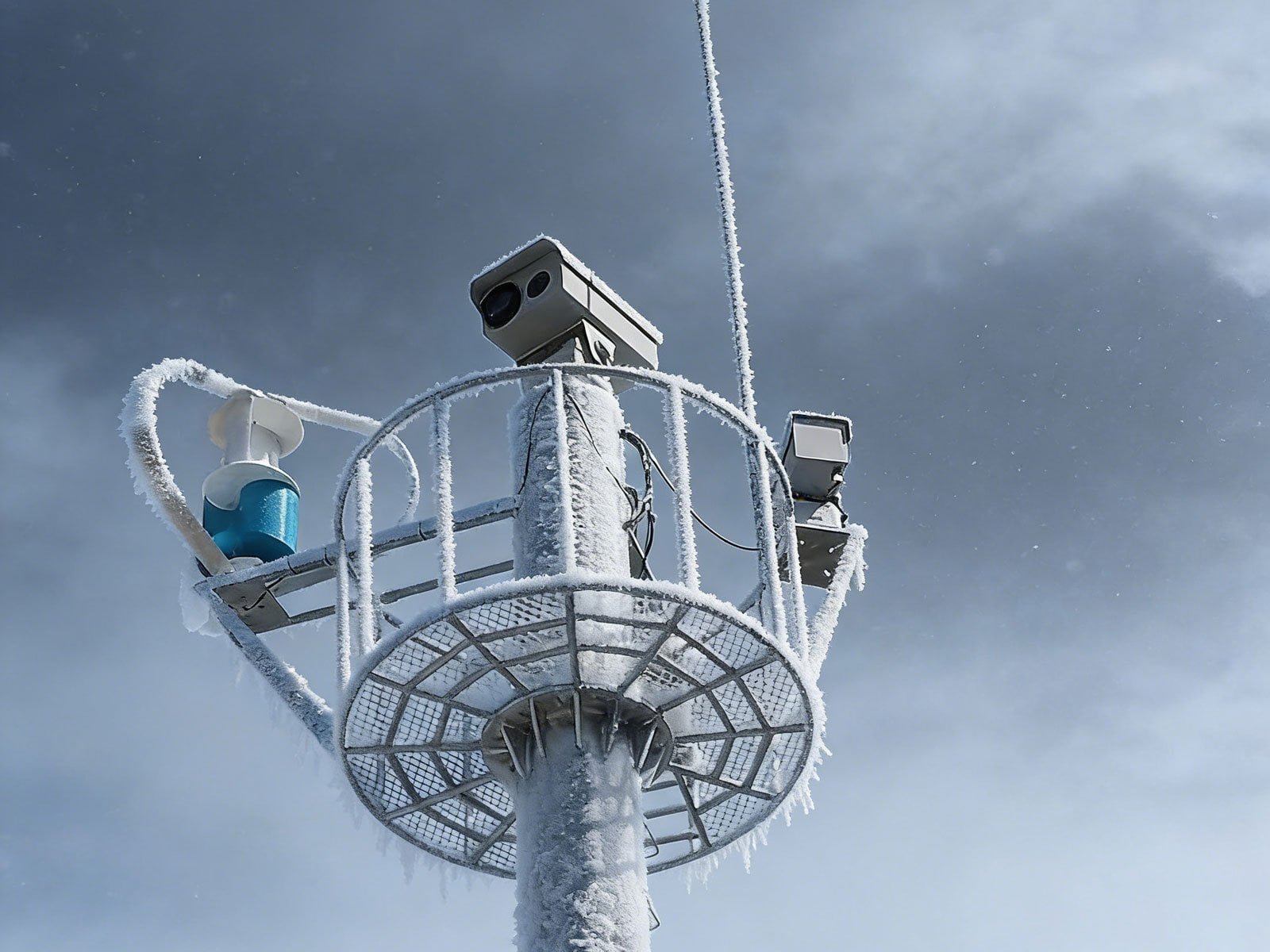
This is especially important in oil and gas, coastal infrastructure, utilities, aviation, and mining. Pelco’s critical infrastructure materials stress the need for hardened PTZ platforms that can withstand harsh conditions and, in some cases, extreme shock. PTZ cameras inside broader critical infrastructure and perimeter protection strategies, where long-term reliability matters as much as image quality.
Another often-overlooked point is vibration. High poles, industrial structures, road traffic, and wind can all degrade image stability. Axis specifically calls out electronic image stabilization as a way to keep video usable when the camera is shaken by wind or environmental vibration. For industrial deployments, this can be the difference between a camera that looks impressive on paper and one that stays effective in the field.
In short, a true industrial PTZ camera should be selected like a field device, not a consumer electronic product. If the housing, temperature range, corrosion resistance, and stabilization are wrong, the rest of the feature set becomes far less valuable.
Feature 4: Intelligent Tracking, Tours, and Event-Driven Automation
The fourth key feature is automation. Many sites cannot afford to assign a human operator to manually steer a PTZ camera all day and all night. That is why modern PTZ cameras increasingly rely on presets, scheduled tours, autotracking, and alarm-driven repositioning.
Autotracking is especially useful in perimeter and critical infrastructure projects. JEC offers PTZ autotracking linked to perimeter analytics, while Senstar describes analytics that direct the PTZ to the intrusion location and follow people or vehicles automatically. Avigilon’s PTZ line similarly promotes built-in analytics and auto-tracking to keep operators focused on the event rather than the controls.
This does not mean automation replaces good security design. It means the camera can support a faster assessment loop. A sensor detects movement on the fence line. The system sends the PTZ to a preset. The camera zooms in. The operator sees whether the alarm is a vehicle, a person, or harmless activity. That workflow is exactly why PTZ cameras remain valuable in 24/7 industrial surveillance.
Feature 5: System Integration, Cybersecurity, and Reliable Remote Operation
The fifth feature is broader than optics or mechanics: the ability to work as part of a larger security system. Industrial PTZ cameras are most effective when tied into analytics, perimeter sensors, VMS platforms, radar, audio triggers, or surrounding context cameras.
For remote and unmanned sites, this integration becomes even more important. JEC’s remote-site guidance describes common operating platforms that let teams view video, monitor intrusion sensors, and control PTZ cameras from one interface. That is highly relevant for substations, water infrastructure, border assets, and other locations where there may be no guard physically present.
Cybersecurity also matters more than it once did. JEC notes secure boot and signed firmware on some PTZ lines, reflecting the wider industry move toward harder, more defensible connected devices. As PTZ cameras become smarter and more network-dependent, remote operation is only as trustworthy as the platform’s security and integration discipline.
How to Choose the Right Industrial PTZ Camera for Continuous Protection
Choosing the right industrial PTZ camera starts with the site, not the brochure. Buyers should define the monitoring objective first: perimeter assessment, asset inspection, traffic observation, incident response, or long-range identification. From there, the real selection questions become clearer. How much area needs to be covered? How far away is the target? Is the site exposed to vibration, corrosion, or explosive risk? Will the camera be actively controlled, or mostly driven by presets and analytics?
For most industrial deployments, the five must-have features are clear. You need precise pan-tilt coverage, real optical zoom with usable image quality, rugged construction, intelligent automation, and strong integration with the rest of the security stack. Get those five right, and Pan-Tilt-Zoom Cameras become far more than moving lenses. They become a dependable assessment and response tool for continuous surveillance across the toughest sites in the field.